Average Reviews:

(More customer reviews)You may have difficulty getting to the recipes, because Alexandra Kropotkin's narrative is so engaging, you'll want to read it through for all of her insight into pre-Soviet Russian life and manners, especially the life and manners of the upper class. It seems as though Ms. Kropotkin had a not-insignificant position at one point (in fact, the man who wrote the forward calls her "Princess"), and she had to flee to England when the revolution came, and she learned to make traditional Russian meals using the ingredients found wherever she happened to be.
If you focus on the narrative, however, you will miss the fabulous food. The food is all very rich, and none of it is made with pre-prepared over-processed food, but good solid ingredients like milk and eggs and flour, and of course, sour cream and dill and turnips. Though some of the recipes are time-consuming (the 'yellow consomme' used to make cabbage soup simmers for three hours, for example), they are all accessible to cooks with even a little bit of experience. Princess Kropotkin talks you through the recipes like a good friend or a mother might, leading you every step of the way.
Click Here to see more reviews about: The Best of Russian Cooking (Hippocrene International Cookbook Classics)
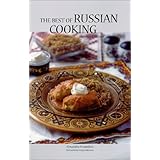
This classic cookbook offers so much more than a collection of recipes-it captures the spirit of the Russian people and their cuisine.From zavtrak (breakfast) to uzhin (dinner), Russians love to eat heartily.Originally published in 1947, The Best of Russian Cooking is a treasured classic that combines authentic Russian recipes with culinary tips and invaluable cultural insights.This expanded edition features a concise list of menu terms, sections on Russian table traditions and mealtimes, and a guide to special cooking utensils.A survey of the tastiest Russian cuisine, this book includes 300 recipes for popular dishes such as beef stroganoff and borscht, as well as many lesser-known dishes which are daily fare in Russia-kotleti (meatballs), piroshki (dumplings with meat or vegetables) and tvorojniki (cottage cheese cakes).
 Get 29% OFF

0 comments:
Post a Comment